Children’s Hospital Tableware
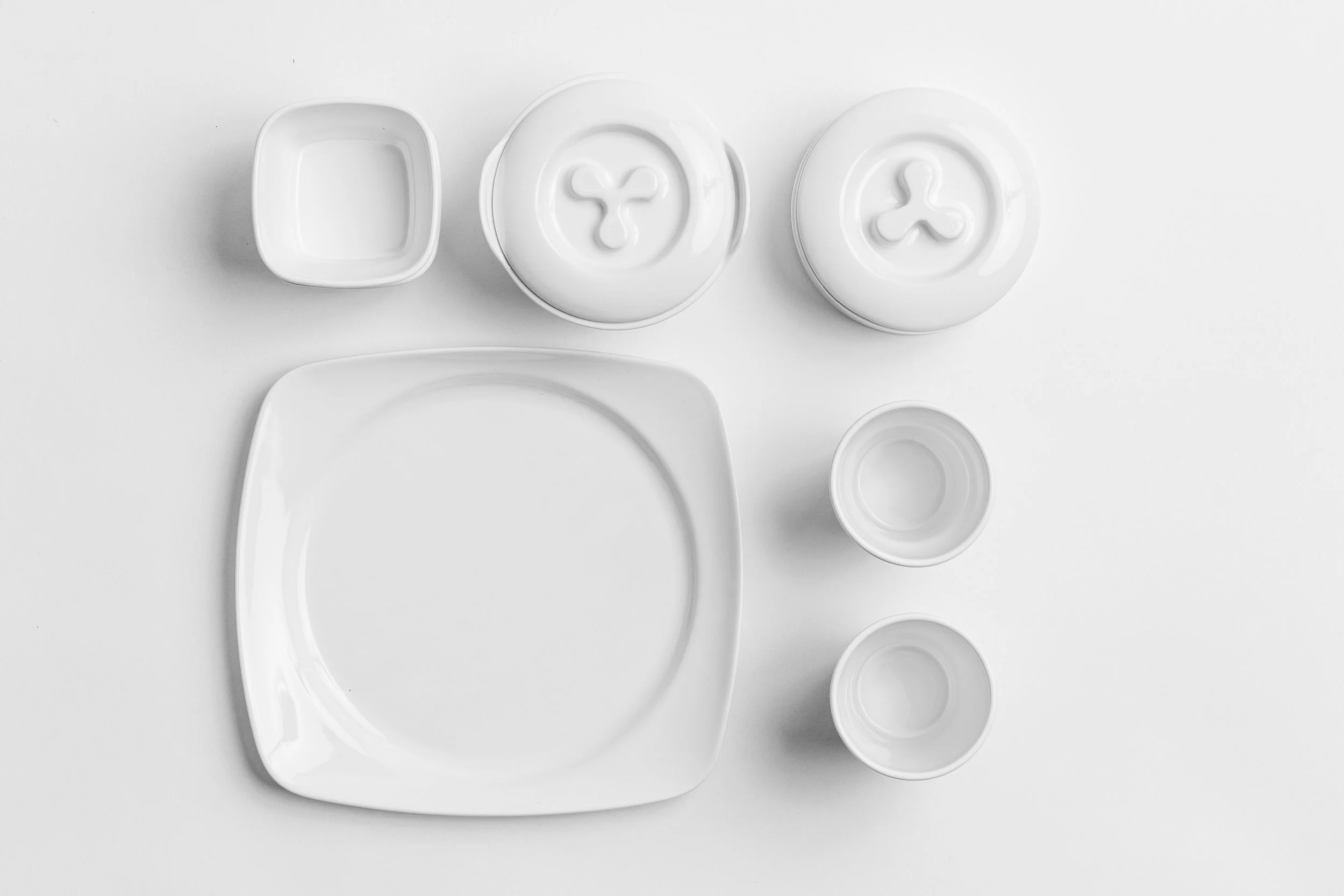
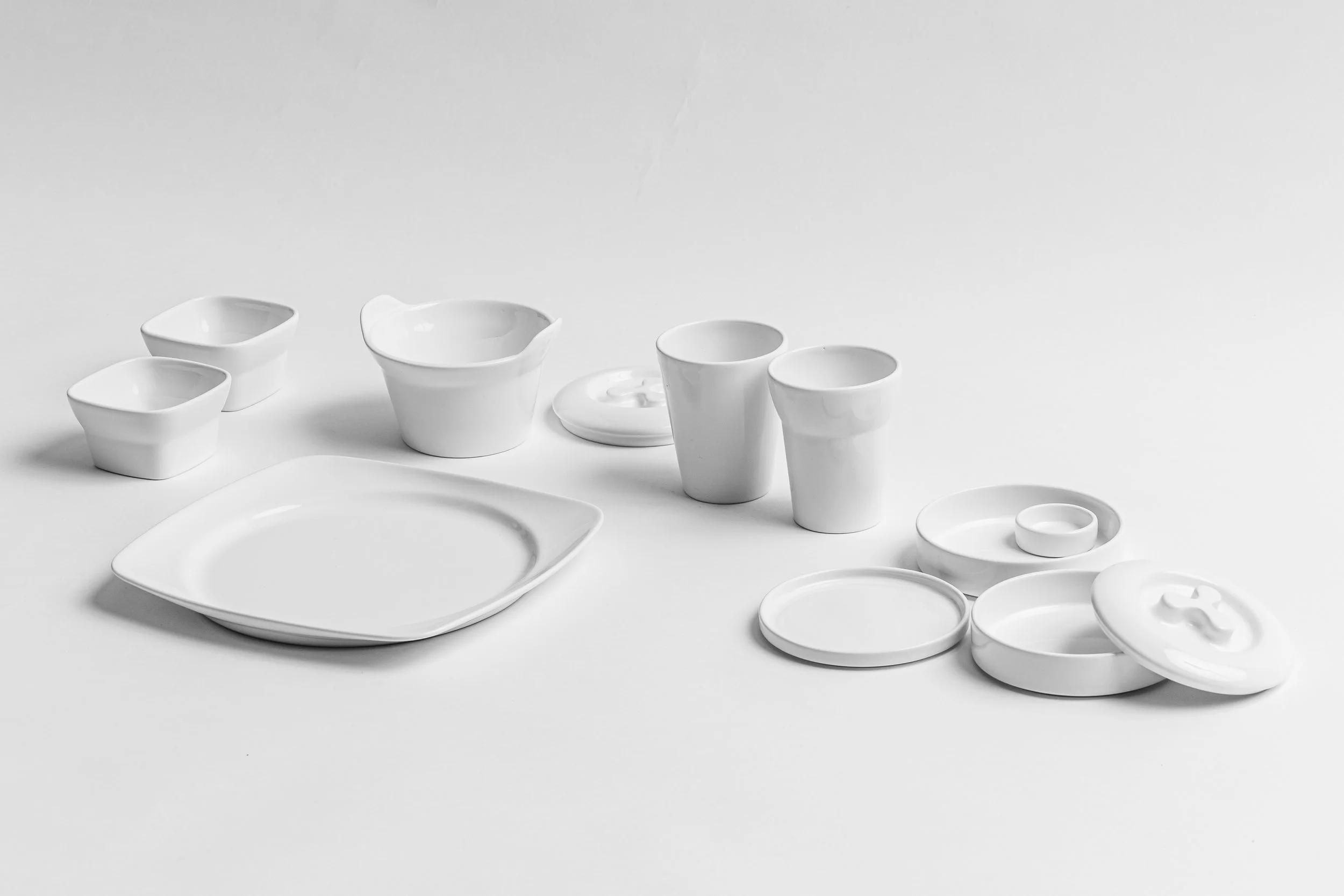

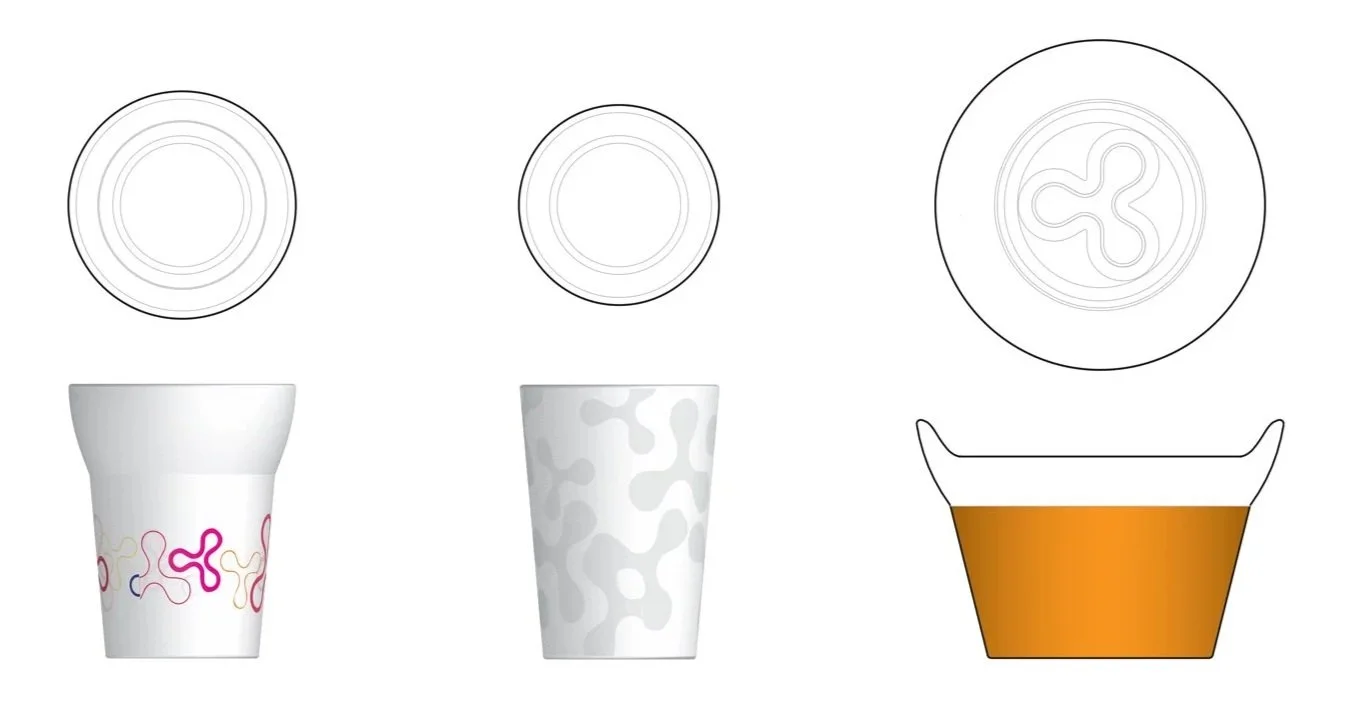
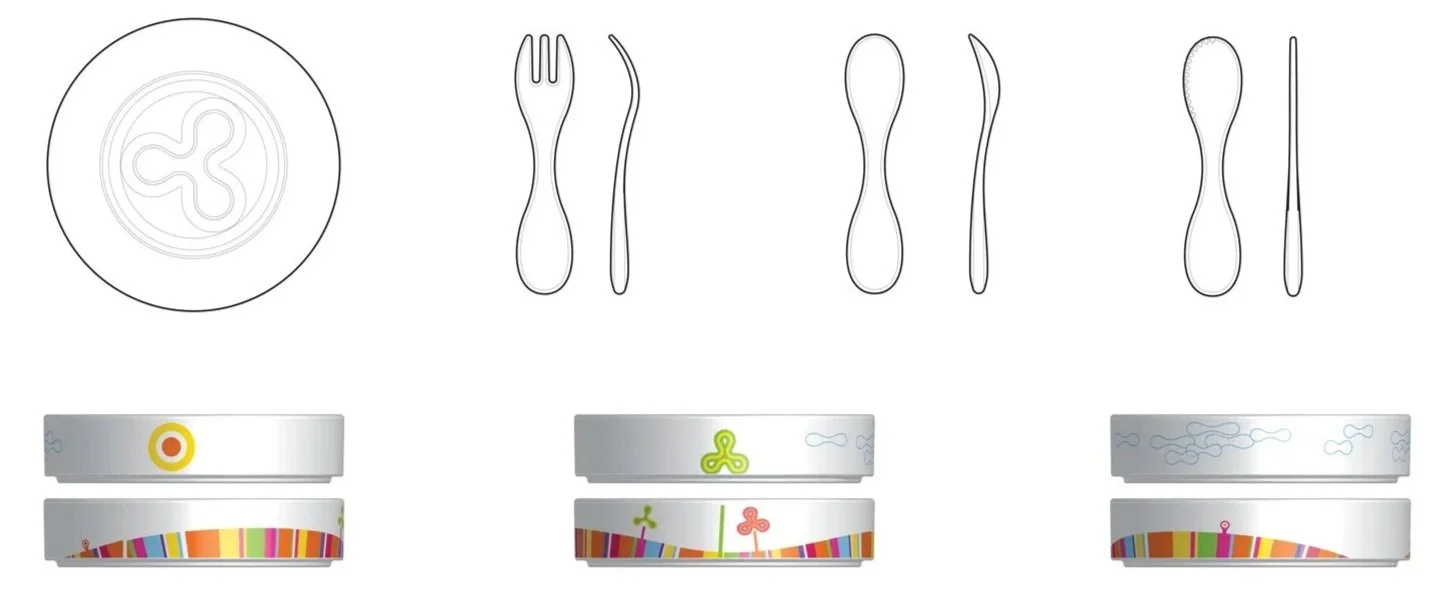

Focusing on pediatric oncology, this project examines how food, space, and the hospital environment shape the eating practices of children hospitalized for extended periods. While hospitals have increasingly invested in the humanization of care environments, nutrition continues to be assessed primarily through standardized clinical metrics, leaving the lived, sensory, and emotional experience of eating largely under-examined. Developed as a pilot study at the oncology unit of Sainte-Justine Hospital in Montréal, the project tested new design strategies aimed at improving appetite and the overall mealtime experience through the redesign of the hospital meal tray and tableware system, understood as active mediators of perception, engagement, and care.
Grounded in a transdisciplinary framework drawing on psychological anthropology, the anthropology of the senses, and phenomenology, the research combined fieldwork with children undergoing chemotherapy and interviews with nutritionists and nursing staff. The findings revealed multiple factors that diminish the eating experience: spatial constraint imposed by the tray, unappealing material and chromatic qualities of plastic trays and heat-retaining lids, overwhelming food odors in confined rooms, and dishware formats poorly adapted to children’s appetite, posture, and desire for choice. Standardized plate sizes, flat formats, and neutral visual languages were found to limit autonomy, engagement, and sensory comfort, collectively shaping eating as a restrictive and emotionally disengaging experience.
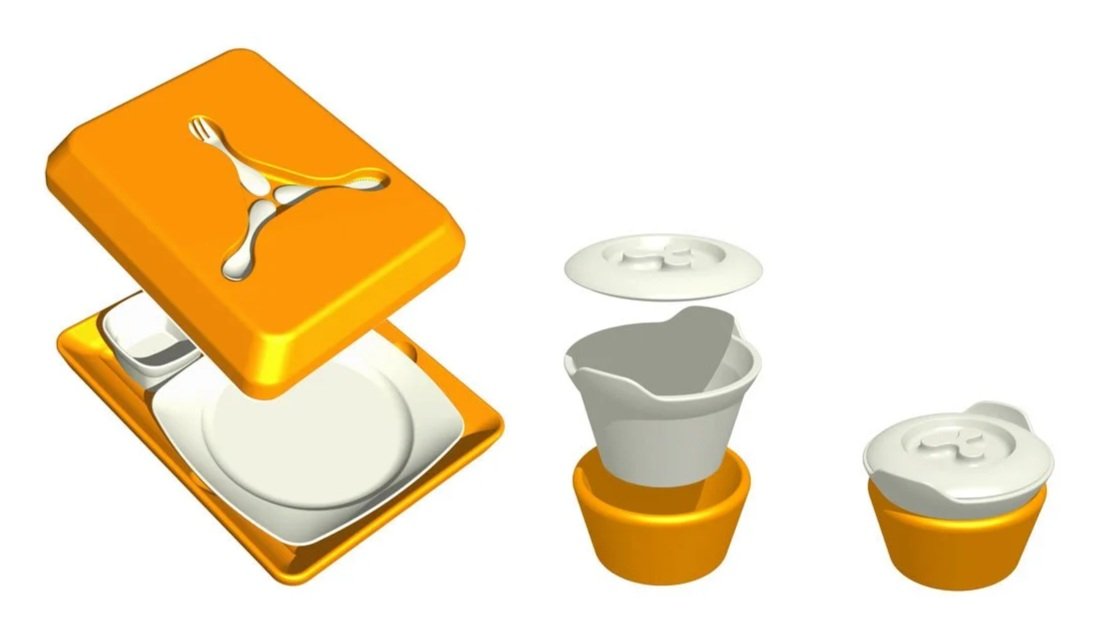
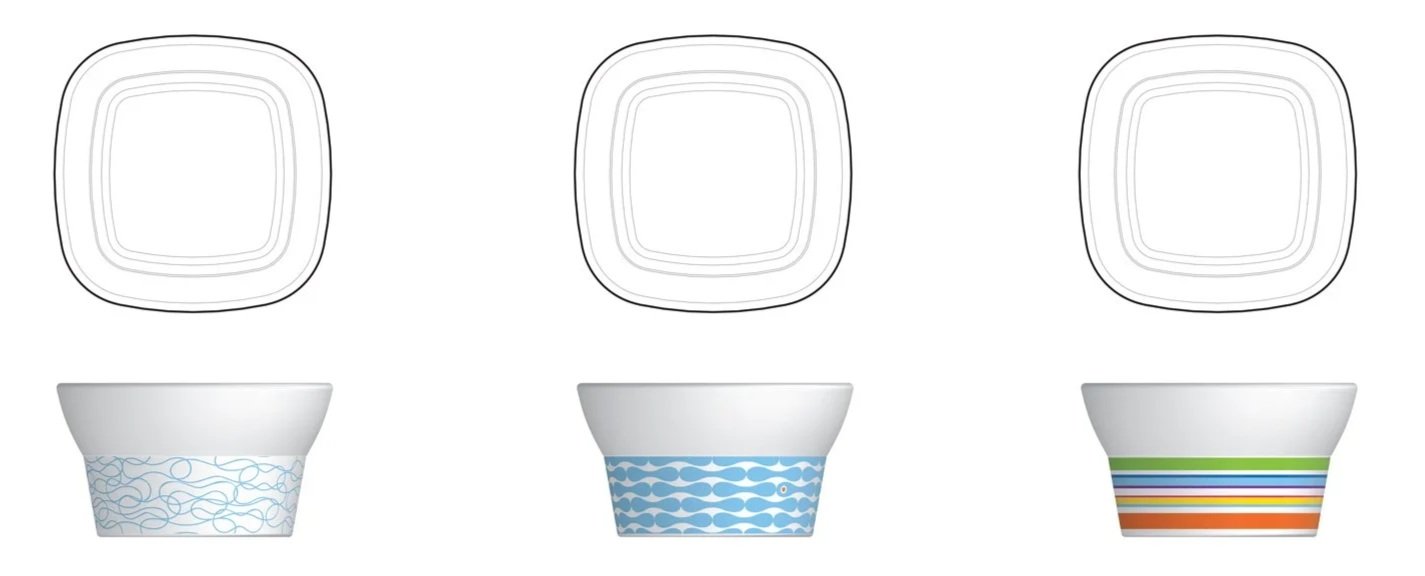
In response, the project proposes a Picnic Box: a modular meal kit offered to each child upon hospitalization, composed of multiple plates, bowls, cylindrical containers, and hand-held vessels that support small portions, varied food choices, and flexible eating practices. Emphasizing prehensility, play, and personalization, the design encourages children to select, handle, and appropriate their food, fostering agency and shared moments with caregivers. Informed by participatory design workshops with two groups of children aged 8–10, the proposal reframes hospital tableware as a tool for sensory engagement, autonomy, and relational care, arguing for an experience-centered approach to nutritional support that complements clinical treatment.
Part of the Screaming Plate Project
—
Developed with the collaboration of Sainte-Justine Hospital and the Leucan Foundation.
Funded by the Québec Fund for Research on Society and Culture (2003–2007).
Produced by Jindřich Dudziak, Ceramiste
Porcelain
Various dimensions
Images: Justin Bisson-Beck