Food as Material - Samples
Interlaced Cups
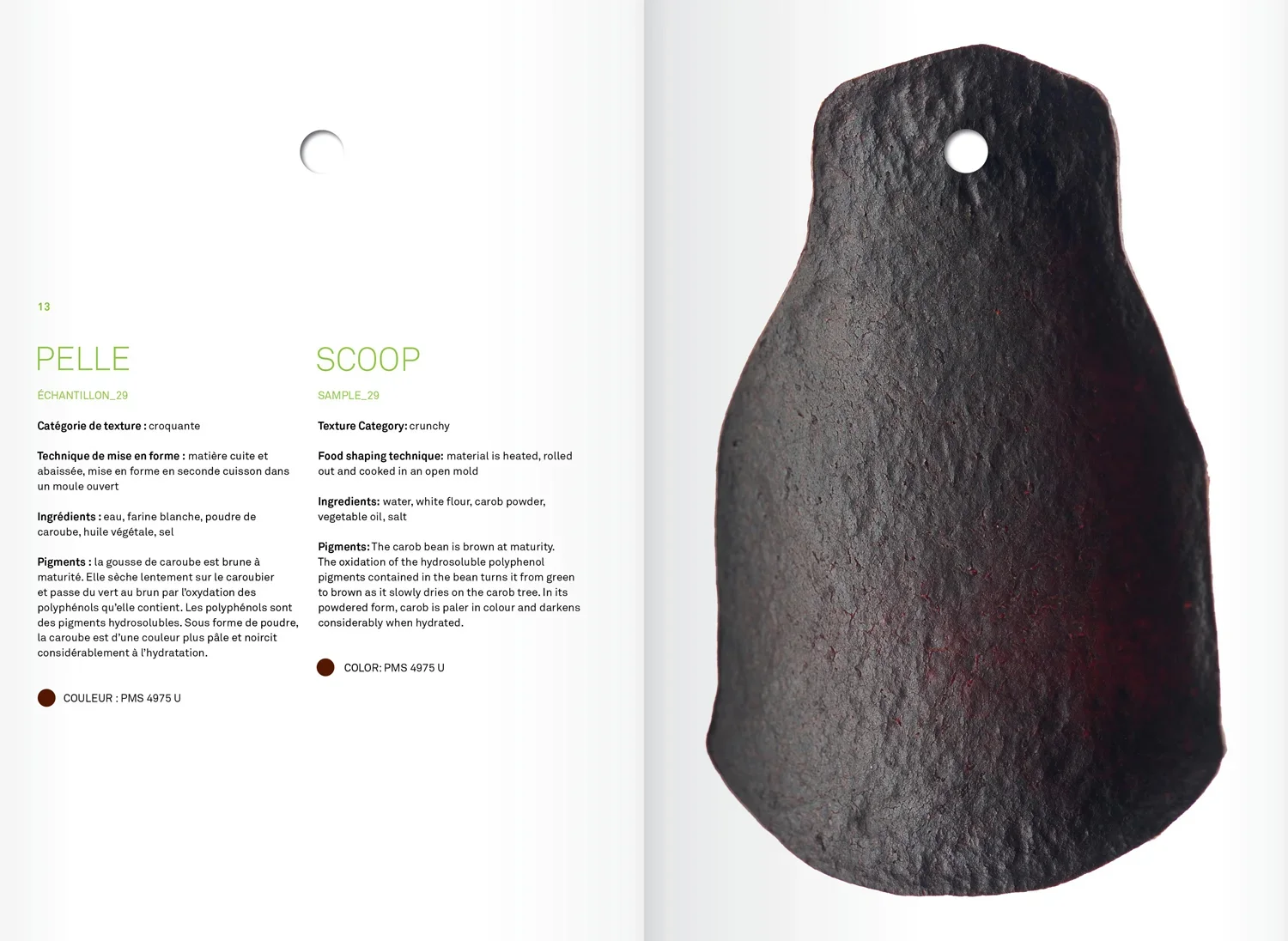
Through a series of food-based experiments, Diane Leclair Bisson investigates the potential of food itself to be transformed into nutritious and flavorful edible containers. Drawing on a range of culinary and material-processing techniques, she examines how food can be reconfigured into thin, layered structures capable of structurally supporting a wide variety of dishes. More than forty recipes—ranging from crunchy and firm to soft and gel-like materials—were developed in collaboration with chefs and scientists from the food industry and the ITHQ Research and Expertise Center (Institut du tourisme et d’hôtellerie du Québec). Particular attention was given to the mechanical, organoleptic, and chromatic properties of food materials. The samples were produced primarily from vegetables, with no artificial colors or additives incorporated into the recipes. This culinary research advances an original food aesthetic by positioning food as a material for production and design. The scientific component of the research was supported by the Fonds québécois de recherche sur la société.
–
Images: Pol Baril
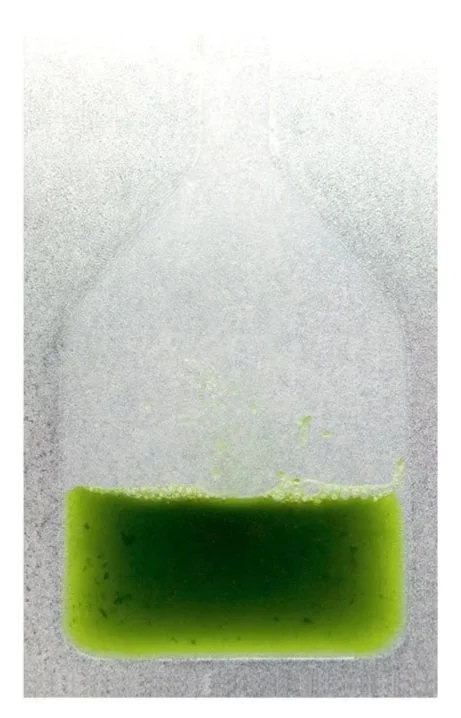
Bottle
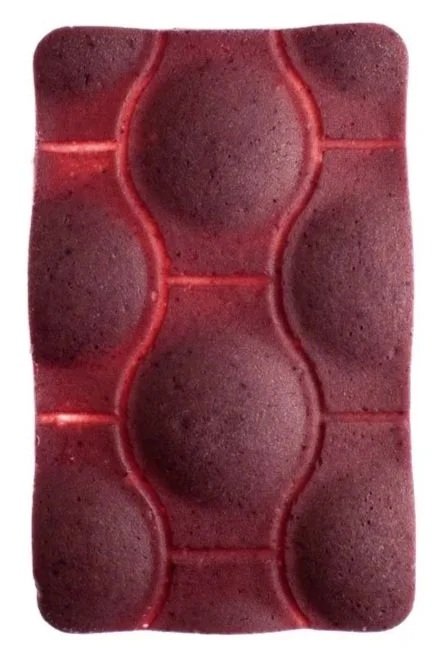
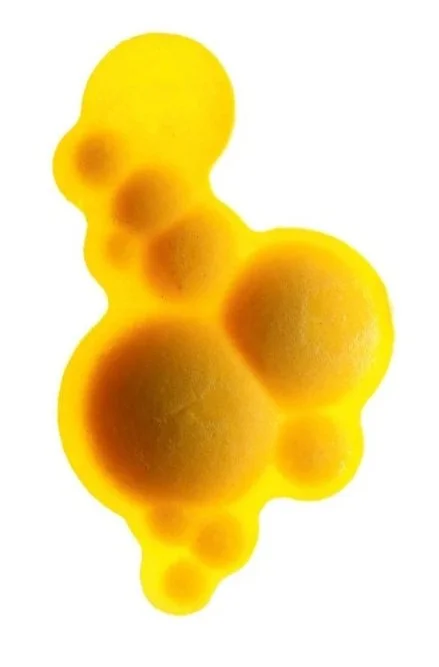
Globules
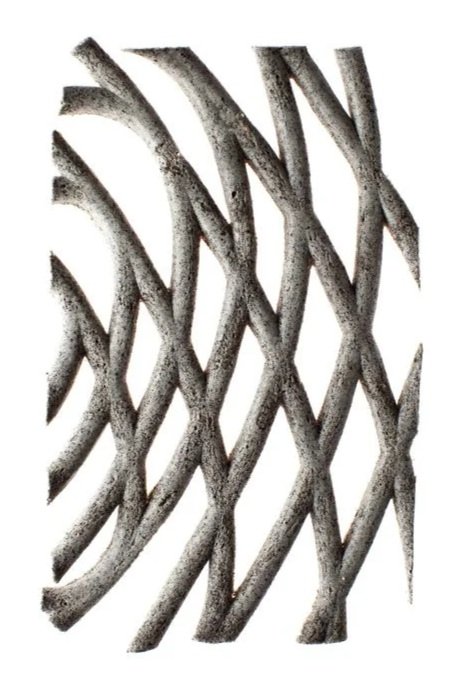
Geodesic
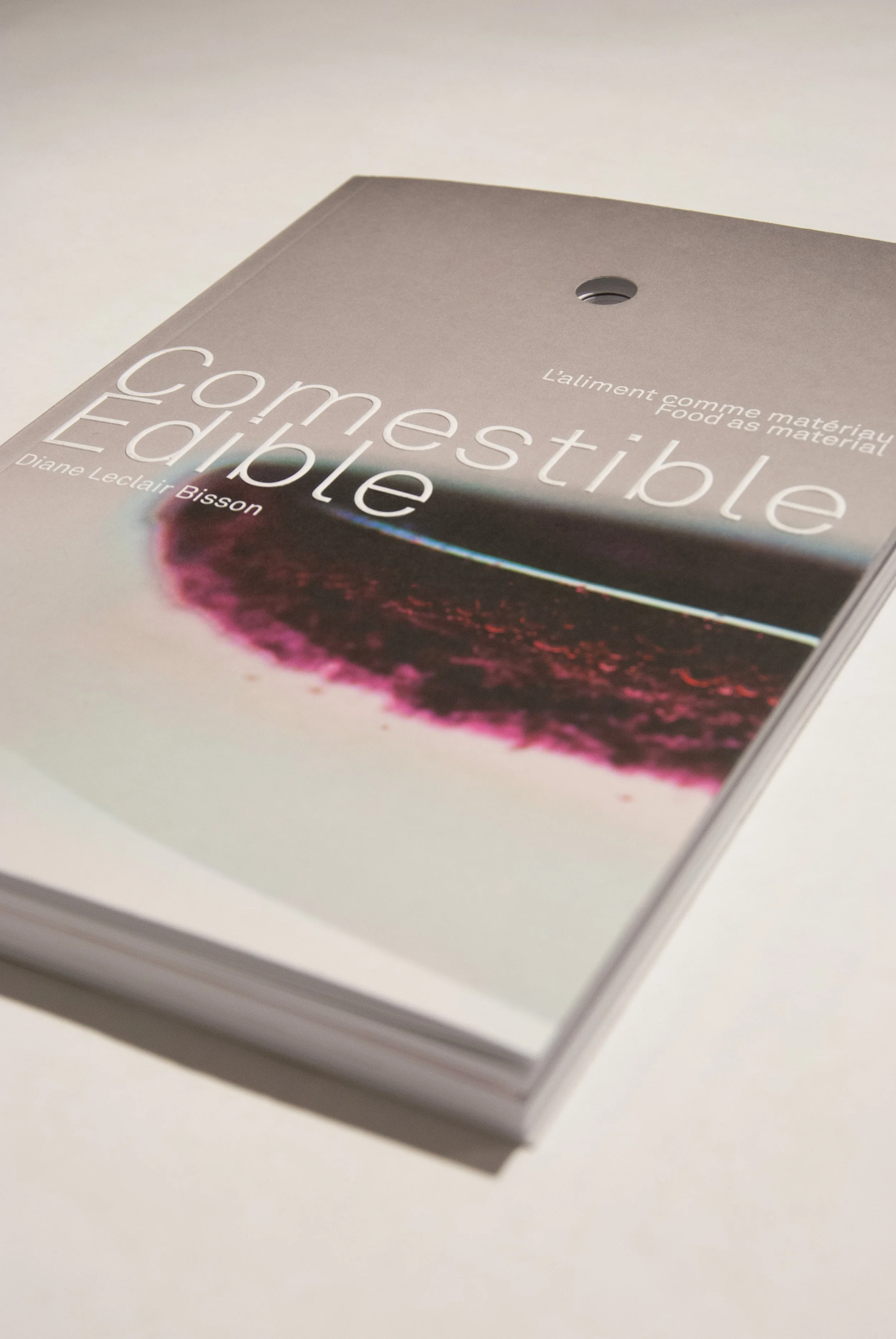
A selection of results from this study, representing the first phase of the Taste No Waste project, was published in the 128-page book Edible: Food as Material (les éditions du passage, Montréal, 2009).